
How to Master Risk Discovery: Essential Techniques and Habits

Risk identification is a skill, not an administrative step. Many organizations treat it as paperwork, and the result is predictable: shallow lists, repeated items, and blind spots that later become crises. Effective risk identification requires structure, curiosity, and multiple viewpoints. It begins with context, not with a blank list of worries.

Continue Reading →

How to Spot Risk Early for Stronger Leadership

Risk identification is where every meaningful risk conversation begins. Before a risk can be analyzed, scored, assigned, controlled, financed, monitored, or accepted, it must first be recognized and described clearly. In simple terms, risk identification means looking ahead and asking, “What uncertain condition or event could affect what we are trying to achieve?” It is the disciplined habit of noticing uncertainty before it becomes a surprise — not a search for bad news, but a practical form of preparedness.

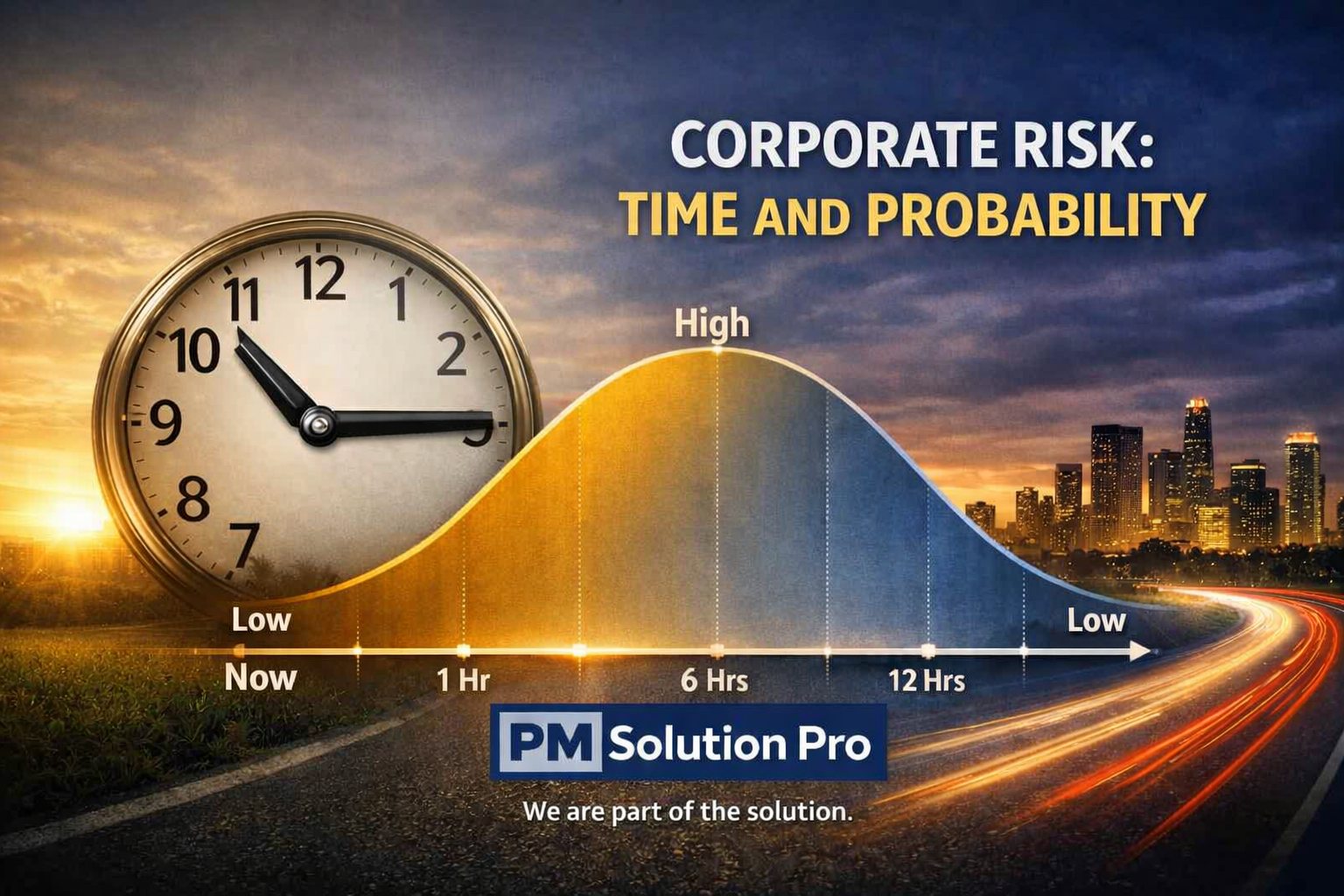
Teams that identify risks early are not being pessimistic. They are giving themselves more time to think, prepare, and choose. When a risk is noticed late, the team may have only rushed or expensive options left. When the same risk is noticed early, the team may still have several useful paths available. Early identification widens the decision window, and that alone can change the entire trajectory of a project or operation.

Continue Reading →

Happy 250th American Independence Day to all our American Family, Friends, Colleagues and All Freedom-loving People of the World

On July 4, 1776, the world witnessed a revolutionary idea take form — that freedom and self‑determination are not privileges granted by rulers but rights inherent to all people. The Declaration of Independence was more than a national statement; it was a spark that ignited a global movement toward liberty, equality, and democratic governance.

Continue Reading →